Southern Interior fruit growers know every season presents a different set of challenges.
One year it’s a compressed bloom window. The next it’s rain during a critical spray period. Increasing labor costs and limited spray windows continue to make timely applications more important than ever.
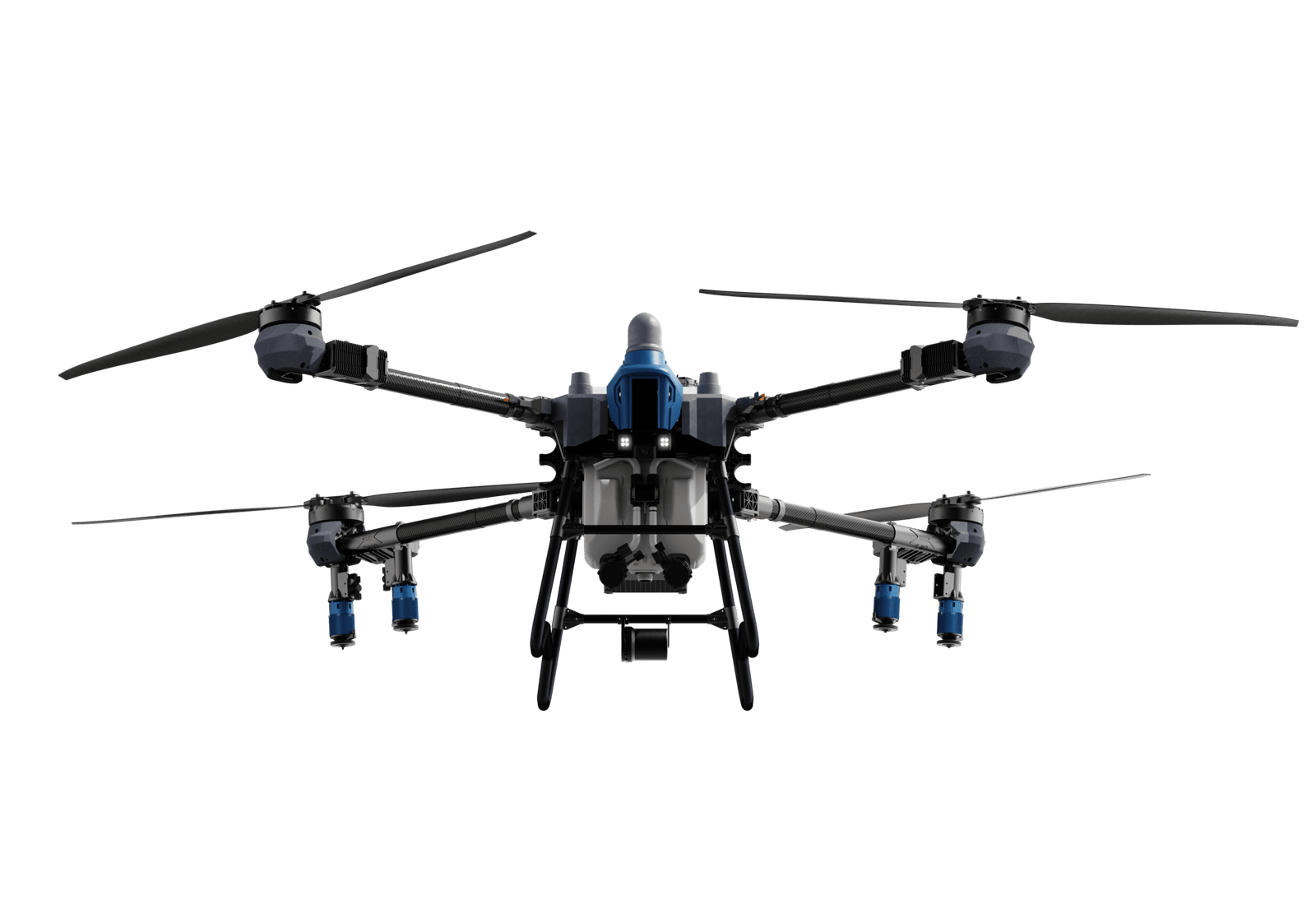
AG Drones works with orchard growers throughout the Okanagan, Shuswap, Similkameen, and Thompson regions to provide aerial application services that help keep spray programs on schedule.
Designed for Tree Fruit Production
Sweet cherries are one of the highest-value crops in the region and often require rapid response during periods of disease pressure. Applications may support programs targeting:
We’ll continue to support integrated orchard management programs with timely aerial applications that fit within existing production plans. Common programs include:
Pear producers face many of the same timing challenges experienced throughout other tree fruit operations. Drone applications can support both crop protection and nutritional programs while reducing traffic within the orchard.
Foliar nutrition remains an important management tool for many Southern Interior orchards.
Calcium
A critical nutrient for fruit quality.
Supports:
Typical Timing After fruit set through sizing periods.
Boron
Supports:
Typical Timing Pre-bloom and bloom.
Potassium
Supports:
Typical Timing Mid to late season.
Magnesium
Supports:
Typical Timing Throughout active growth.
Tell us what you are growing, where the challenge is, and what outcome you need.
We review field conditions, access, terrain, timing, product labels and data sheets.
Our team carries out the planned spraying, spreading, or mapping work with care and efficacy in mind.
We can gather in-field and aerial map data to help identify next steps where appropriate.
Have questions about ag drones in vineyards? Here are the most common questions.
Start the conversation to see how AG Drones can help optimize your operations.
Give us a call or message to get started. We are here to help you grow.

How can we help you grow?
© 2026 AG Drones Inc. All rights reserved. All imagery and videos are original taken by AG Drones Inc. and are copywrite protected property of AG Drones Inc. Duplication of content or imagery in criminally prohibited.