A look how the agricultural drone industry is faring in Canada – aside from all the hype
Part 1 of 3
A brief history: What began in 2005 with flying small aircraft and making topographic maps, evolved into flying remotely piloted aerial systems – RPAS – drones. Upon getting advanced certification in 2020, we introduced ourselves to the market with FLIR thermal and NDVI mapping for which there was little demand aside from animal rescues. Then in 2022, DJI introduced North America to agricultural spray drones. It was revolutionary.
A call from Global Affairs Canada to work on an international agricultural drone project in early 2023, and the resulting conversations and research had shown agricultural drones have been empowering growers around the world for years and that Canada was far behind.
American farmers have flown millions of acres since then for crop protection. In Canada, up until this year that number was zero (legally anyway). Instead of safely applying crop protection (i.e. fungicides) our hands were tied to applying nutrients and fertilities, for which there is limited demand – surprisingly even in the organic farming market.
Our nutrient spraying services began during the 2023 growing season with a DJI T10 and its 10L tank (fillable only to 8L to comply with regs). At that time, getting an SFOC (Special Flight Operation Certification) took months. That permit is now unnecessary as this rule has evolved to permit drones up to 150 Kg without special operational clearance. Finally we could fly our advanced heavy lift agricultural drones – with limitations. (more of regulations in Part 2)
Being one of the first agricultural drone business in Canada (started up as AgriDrones Canada), we were approached by the leading ag drone manufactures wanting us to promote their technology and sell their ease of use. It was an exciting time. The possible uses of drones in agriculture seemed endless.
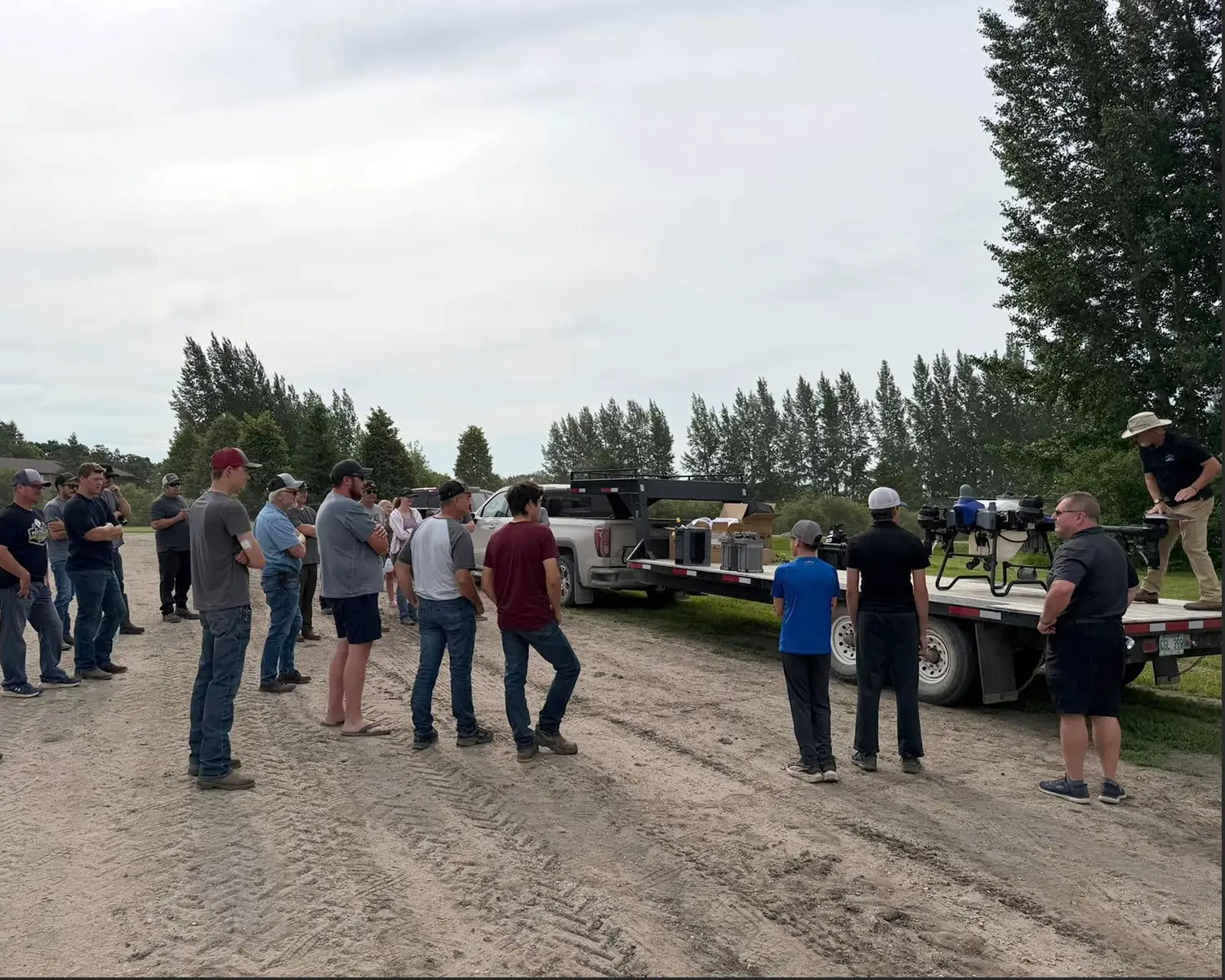
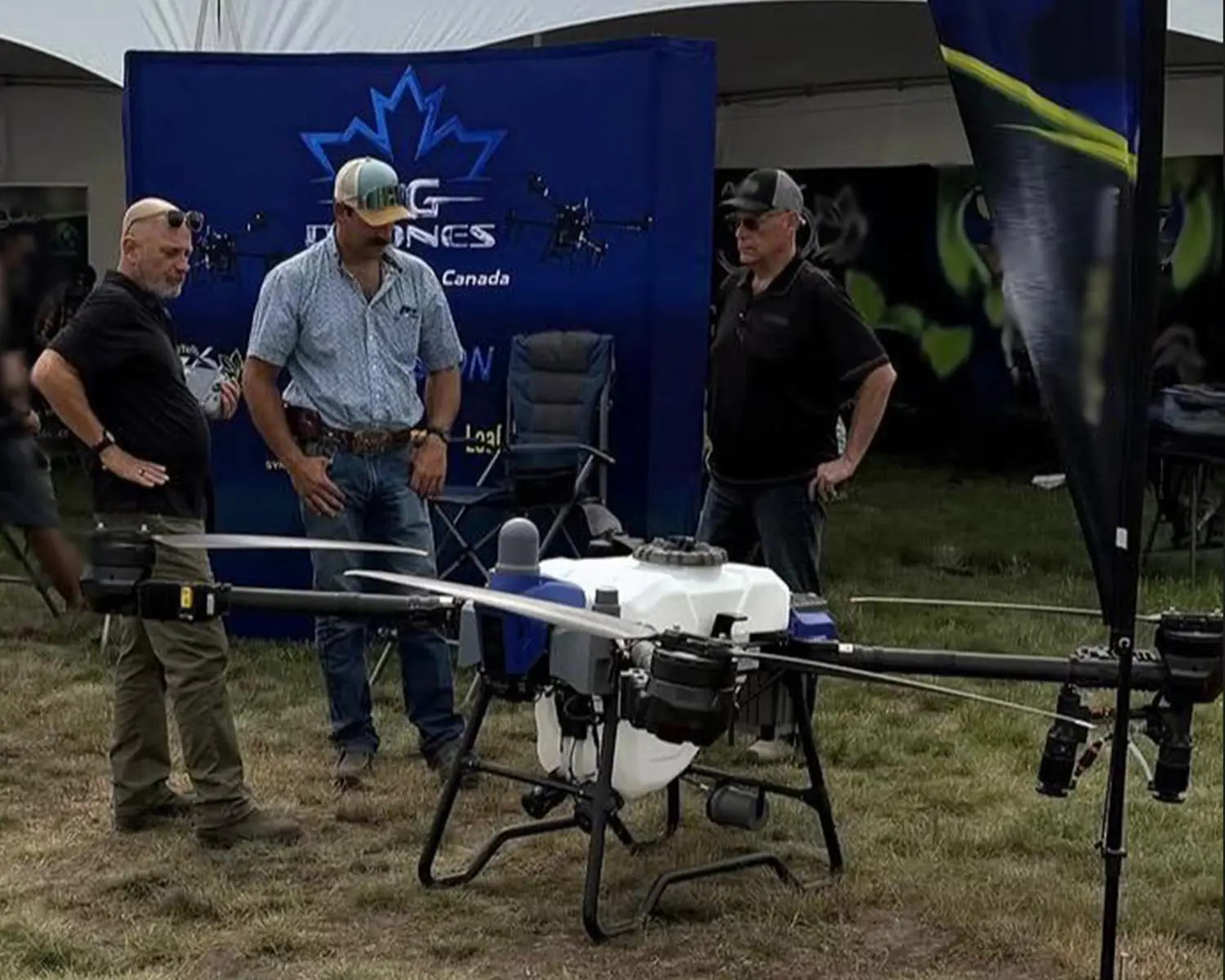
Until recently we were a national drone distributor for a major global agricultural drone company. We’ve attended the seminars, AG trade shows in BC and the prairie provinces as well as held countless field demonstrations. We’ve sold drone packages to growers across Canada and have seen the aftermath.
What has become clear is the reality of drone certification, cost of ownership and the need of technical knowledge, not to mention keeping up with ever-changing technology and aerial application regulations at all levels of government, need to be addressed in a real way.
For the average producer wanting to elevate operations, I would not recommend buying a drone. Here’s why.
Drones are flying autonomous robots that are powered by lithium ion batteries. The care and operation of their systems require some pre- knowledge in many areas. Firmware updates, low voltage warning issues, RC frequency irregularities, obs. avoidance settings, all which could cause a crash, are some examples of knowledge not found in most on-line RPAS courses. There are a lot of moving parts which need to be learned.
I became aware of a young farmer that has been spraying and crashing and spraying and crashing for over a year – I wasn’t surprised to hear that he hasn’t yet passed advanced certification or has had advanced training. That being said, he needed to tend to his acreage and flying drones to apply what was needed – was what he had to do to save the family farm crops. It’s hard to blame the growers for doing what they need to do – but education and training on this technology is key (and yes, time consuming). Ignorance of technical issues that could arise is dangerous and costly.
Batteries. Battery charger. Large generator for charger. Fuel/oil for generator. Trailer for the generator and everything else you need to purchase. It never ends.
Fuel for generator use adds up quick as these chargers take a lot of juice. Propellers, nozzles, motors, etc., are susceptible to wear and breakage. They are not cheap. Add in certifications and insurance and the costs grow.
New drone models are released every year with big fanfare and dealers need to move new product. A two year-old model may not be serviceable and now your $40K drone is now for sale on “market place” for $25K with all the others. Trying to keep up with the technology is never-ending which can be costly and most of all – confusing.
Not necessarily a bad thing. This technology needs guide rails to fly these massive autonomous machines and the applicator needs to be professional, knowledgeable and certified by the provincial regulatory body that covers aerial spraying (not all provinces are the same and this will be covered in Part 3). Some provinces are stepping up and have lowered some hurdles and provided courses for aerial applicators, but others are still stuck in committee with no path forward it seems. Canada is still behind globally in agricultural technology advancement.
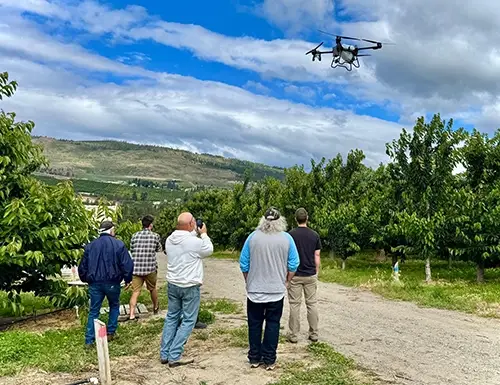
That being said, a few farmers across the prairies have been using drones to spray their fields and almost all have needed to do it illegally in order to save their crops. (i.e. flooding in Manitoba this year had drone teams actively spraying fungicides to save livelihoods. The farming community needs aerial applicators that are trained in environmental safety as well as heavy drone operations.
We have come a long way since 2019 when drone certification and registration came into law. We have a bit of a ways to go before this amazing technology can fully help Canadian producers protect their crops and yields.
How it helps growers save money, and resources (water and product) and how it negates soil and plant disruption issues, not to mention how it is arguably safer, more efficient and has good efficacy agriculture drone technology is the future of farming.
To be continued…
Excerpt: Allowing heavy drones to fly in Canadian airspace and apply pesticides is no small task. First we need to address aviation law, regulations, policies and best practices. The Ministry of Transportation is responsible for pilot licensing and drone registration. The Ministry of Health is responsible for the PMRA which oversees pesticides and The Ministry of the Environment and Climate Change Strategy regulates how those products are safely applied. There are quite of few obstacles in the way for the average farmer. Although progress has been made with drones in agriculture…
Excerpt: … to add to arguably questionable practices is the story of a vineyard owner who asked us for guidance after he purchased a drone in 2025 from a dealer thinking he was go-to-go to spray pesticides fungicides. Problem was, the dealer that sold the drone had failed to mention the need for an RPAS Advanced pilot certificate, the need for Aerial Applicator’s Certifications and all other requirements. The farmer spent over 25K on a drone he could not fly legally and equipment he did not know how to operate. Not all drone dealers are alike – this is one known example. This surge in dealers is due to manufactures flooding the Canadian market with aircraft that soon can’t be operated in the US…
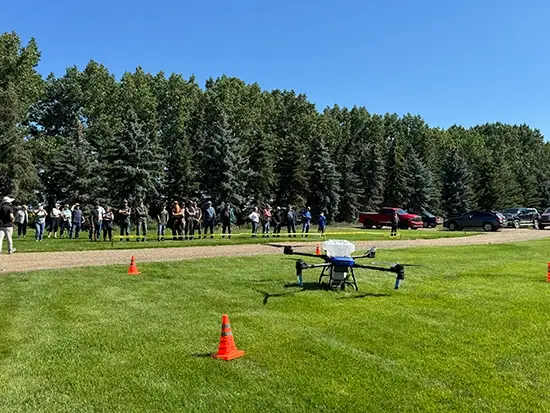
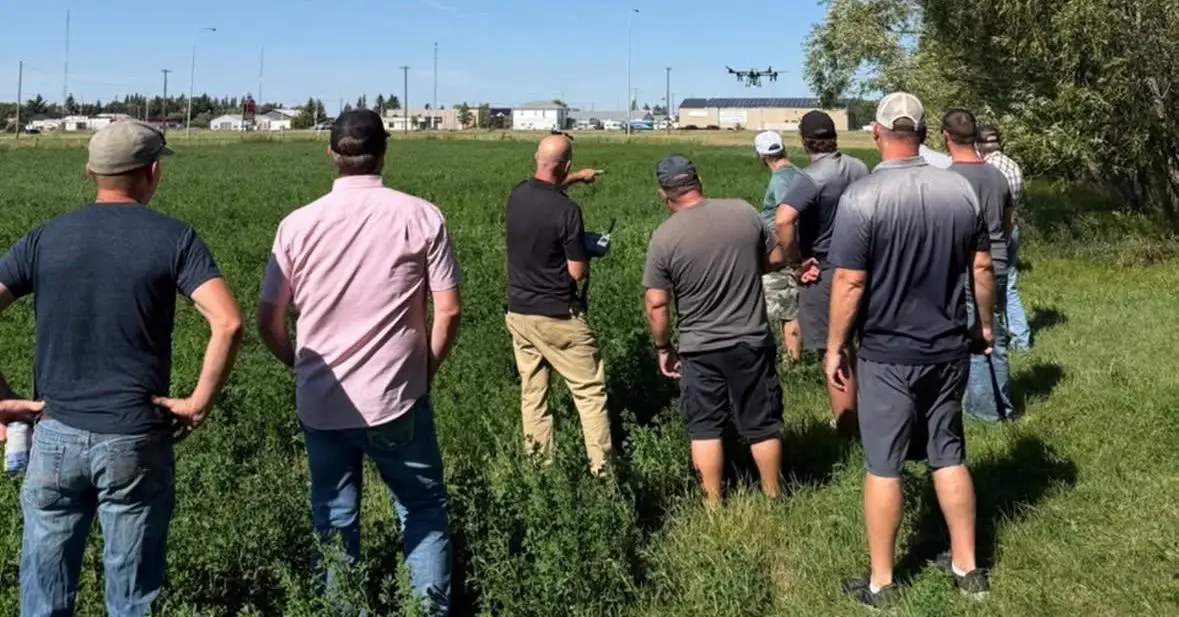
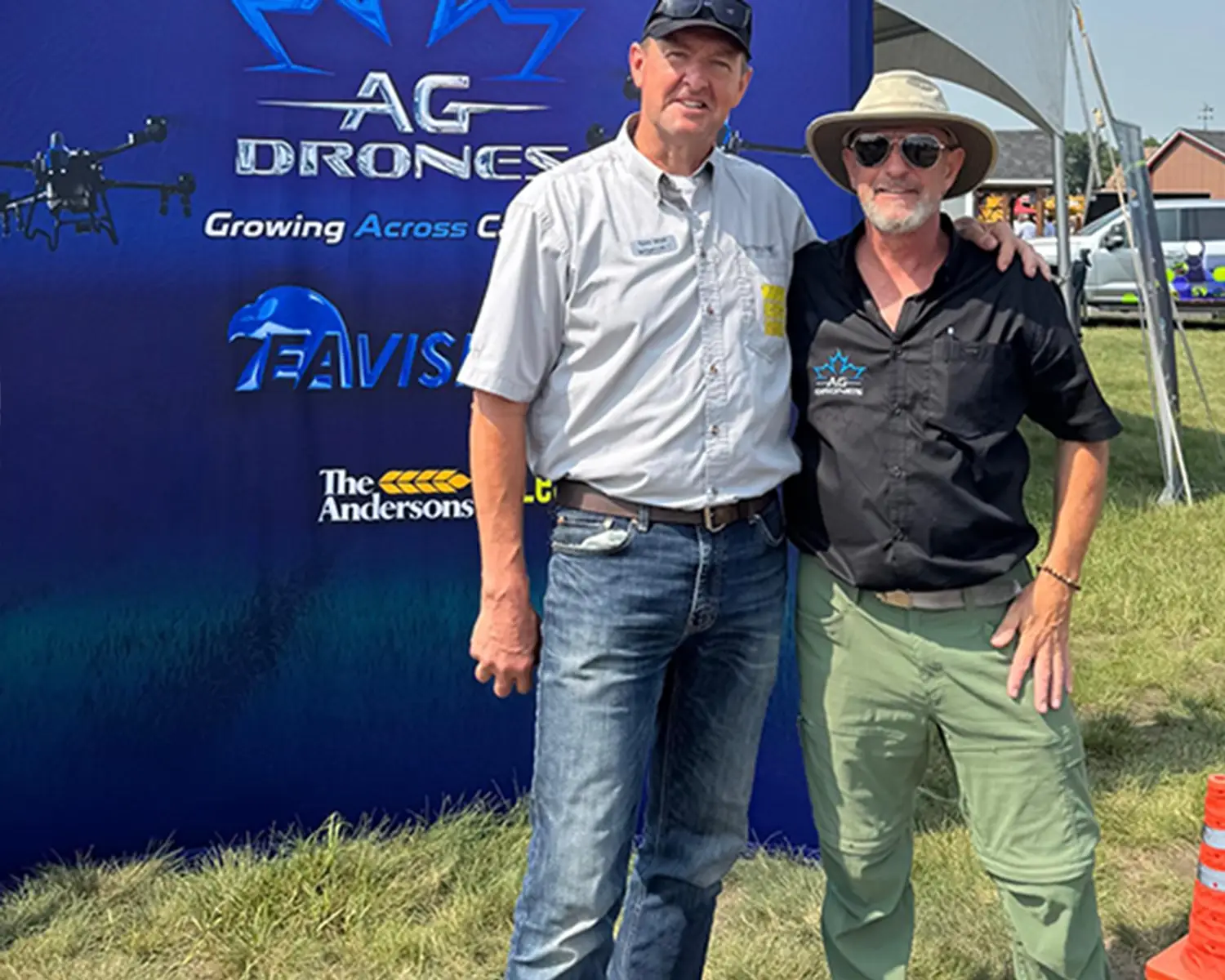
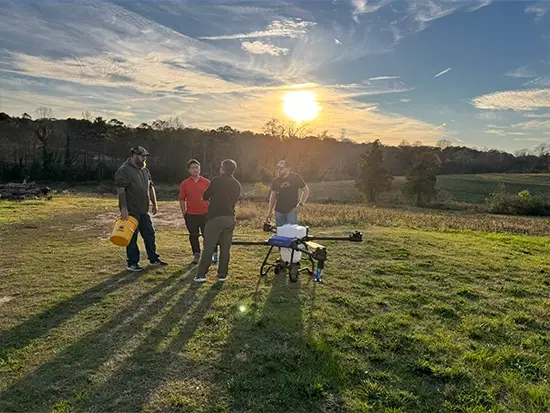
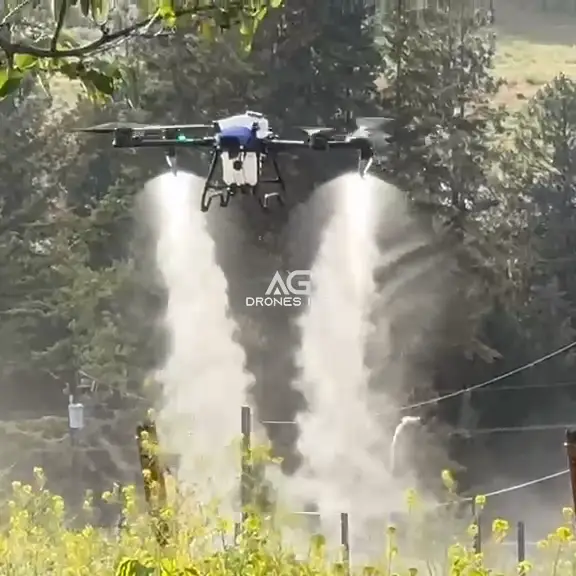
This was not prepared, written, or corrected by AI. If you find a typo or bad grammar – I’m human. As on agdronesinc.ca, we use real imagery and video that we made flying real fields. There are no AI images on the site. That would be disingenuous. We need to get real with drones in agriculture.
Give us a call or message to get started. We are here to help you grow.
Producers Need Results
– Not More Equipment.
We have you (and your crops) covered.
© 2026 AG Drones Inc. All rights reserved. All imagery and videos are original and are property of AG Drones Inc. Content is copyright protected. Duplication, copying, ‘scraping’ of written content or imagery is prohibited by law. No AI was used for imagery.